Abstract ShapesA Graphics: Minimalist Vector Templates
First Impressions: Clean, Calm, and Quietly Confident
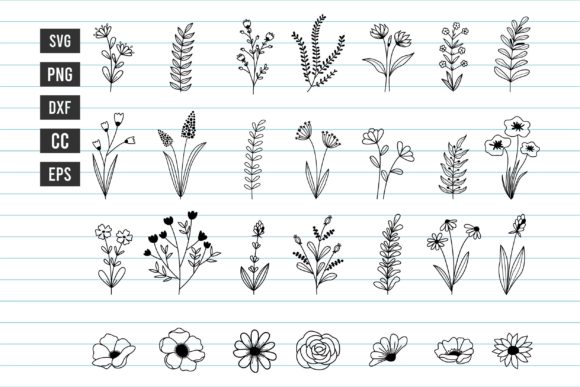
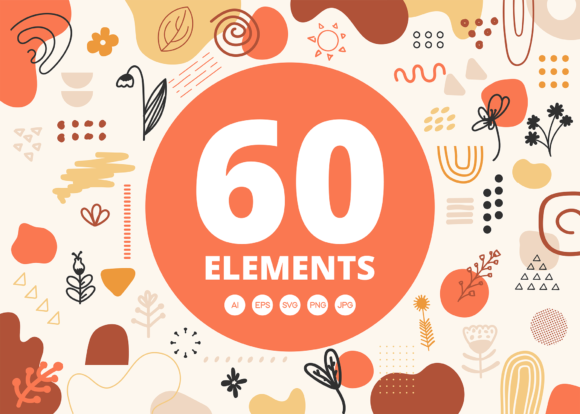
Opening Abstract ShapesA - Vector Elements felt like unrolling a fresh sheet of premium watercolor paper—calm, intentional, and full of quiet possibility. These aren’t loud or busy graphics; they’re modern minimalist elements and flowers in abstract simple and organic trendy style. Think soft curves, balanced negative space, and six carefully curated color palettes that lean into muted terracotta, sage, oat, dusty rose, slate blue, and warm charcoal—not neon, not pastel overload, but grounded and thoughtful. It’s the kind of graphic design asset that attracts customers who love handmade goods with intention: yoga studio owners, mindful stationery sellers, ceramicists launching seasonal collections, and Etsy shops focused on slow living, botanical wellness, or Scandinavian-inspired home goods. It feels elegant but never stiff—organic without being rustic, minimal without feeling sterile.
Real Crafting Workflow: Where Abstract ShapesA Fits Seamlessly
I tested Abstract ShapesA - Vector Elements across three live projects: a batch of sublimation-printed ceramic mugs for a local gift shop order, a set of planner sticker sheets for my Etsy shop, and custom vinyl-cut tote bags for a small wedding client. In every case, it held up—no jagged edges, no stray anchor points, no hidden layers. The SVG files imported cleanly into Cricut Design Space and Silhouette Studio (tested on both v5 and newer versions). For sticker design, I grouped elements into cohesive clusters—say, two abstract petals + one curved line—to create subtle focal points on matte vinyl. For mug design, I used single large shapes as background accents behind hand-lettered quotes, scaling them to 3.5"–4.5" so they read beautifully at arm’s length. And for the totes? I placed simplified versions (one shape per bag) centered on the front panel—clean, confident, and instantly recognizable as part of a coordinated collection.
Where It Shines Brightest
- Large cut files—perfect for tumbler wraps, tote bags, and wall decals where clean lines and bold silhouette matter most
- Clean printable layouts—ideal for greeting cards, gift tags, and printable wall art where white space supports readability and calm
- Seasonal craft bundles—I paired peach-toned shapes with dried floral illustrations for a spring mini-collection; they layered effortlessly
- Gift products & decorative accents—used as foil-stamped motifs on kraft thank-you cards and as die-cut embellishments on handmade packaging
- Product mockups & branding—dropped into Canva mockups for Instagram posts, shop banners, and Etsy listing previews with zero pixelation
Where to Proceed Thoughtfully
While versatile, Abstract ShapesA - Vector Elements isn’t built for micro-detail work. Avoid using the most intricate florals under 0.75" in size—they lose definition on small sticker sheets or delicate iron-on transfers. Thin-line variants (especially those mimicking hand-drawn ink strokes) need extra testing on dark garments—some PNG transparency didn’t hold up perfectly on black cotton during my print-on-demand trial. Also, layering multiple overlapping shapes for multi-color vinyl projects requires manual separation—there’s no pre-built color-separation file included, so plan time to isolate layers yourself. And if your customer orders demand ultra-high-contrast legibility (e.g., safety-first labels or children’s activity sheets), double-check how the softer tones render on off-white or cream substrates.
Practical Crafter Notes You’ll Actually Use
Before adding Abstract ShapesA - Vector Elements to any customer-facing product, here’s what I do—every time:
- Test the SVG in your cutting software: Check for stray nodes or compound paths that might cause double-cuts on Cricut or Silhouette projects.
- Preview PNG transparency on both white and dark backgrounds—some lighter elements fade against kraft paper or navy fabric.
- Confirm resolution for sublimation: I resized all PNGs to 300 DPI at final print dimensions—no stretching, no interpolation blur.
- Test colors before bulk printing: Ran a single-mug sublimation test using the “oat + slate” palette—colors shifted slightly on ceramic vs. screen, so I adjusted saturation by +5% in Photoshop.
- Place on real mockups, not just digital previews—I dropped shapes onto physical samples of my favorite matte sticker stock and uncoated cardstock to assess tactile harmony.
- Resize intentionally: Never scale below 0.8" without checking edge crispness—especially for planner stickers meant for bullet journaling.
- Simplify when needed: Removed inner linework from two complex florals to create cleaner, bolder versions for vinyl cutting.
- Pair fonts deliberately: Serif fonts (like Playfair Display) elevate its elegance; rounded sans serifs (like Quicksand) keep it friendly; avoid heavy scripts—they compete with the shapes’ quiet confidence.
- Verify commercial license terms: Yes, this is a commercial design—fully cleared for use in Etsy products, craft fair inventory, and client work—but always recheck the license PDF before bundling into a digital product or design bundle.
Why This Graphic Template Belongs in Your Handmade Business Toolkit
Abstract ShapesA - Vector Elements isn’t just another clipart pack—it’s a quiet design partner for makers who value cohesion over clutter. It supports small business branding without shouting. It adds sophistication to printable designs without sacrificing warmth. It scales reliably across Cricut projects, sticker design, t-shirt design, and sublimation design—making it one of the most flexible graphic templates I’ve added to my creative marketplace toolkit in months. Whether you’re building a cohesive holiday collection, refreshing your shop banner, or designing a limited-run planner set, these 60 colorful abstract elements give you structure, style, and breathing room—all in one well-organized download. For handmade sellers who design *and* make, that kind of reliability isn’t just nice—it’s essential.