Decorative Flower Elements SVG Review
First Impression: A Delicate, Hand-Drawn Charm
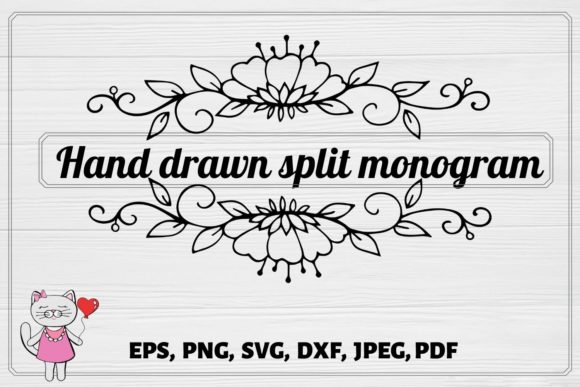
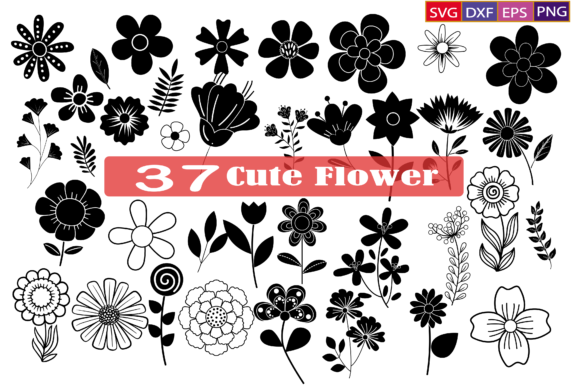
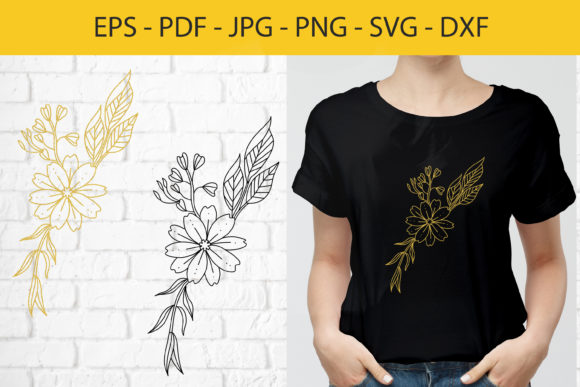
Opening Decorative Flower Elements SVG feels like flipping open a sketchbook left on a sunlit studio desk—loose, intentional, and quietly confident. The doodle flower motif blends gold and black outlines with zentangle-inspired linework: not fussy, not stiff, but full of breathing room and organic rhythm. It’s not a botanical illustration—it’s a decorative accent, designed to whisper rather than shout. That matters immensely when you’re choosing embroidery files for real projects. This isn’t a bold monogram or a dense floral bouquet; it’s the kind of detail that elevates a plain cotton tote into something boutique-worthy, or turns a baby onesie into a keepsake.
Real Project Test: Embroidering a Linen Kitchen Towel
Last week, I used Decorative Flower Elements SVG as the centerpiece for a set of linen tea towels destined for a local craft fair. I resized it to 3.2" wide, centered it just below the towel’s top hem, and stitched it in matte black thread on natural unbleached linen. The result? Crisp, legible, and surprisingly grounded—despite its delicate line work, the design held up beautifully under medium-density fill and satin stitch transitions. Customers paused at the booth not because it was loud, but because it felt *considered*: handmade, intentional, and quietly refined. That’s the sweet spot this SVG occupies—not for mass-market apparel, but for products where customers pay extra for thoughtful curation.
Where It Shines (and Where It Needs Caution)
Decorative Flower Elements SVG excels in applications where subtlety and texture harmonize:
- Embroidered patches — Its clean outline and balanced negative space translate cleanly into sew-on or iron-on formats, especially on twill or denim backings.
- Tote bag design — Works perfectly on canvas or heavy cotton, particularly when placed near handles or along side seams for visual balance.
- Baby embroidery — Gentle curves and open shapes avoid overwhelming small garments; ideal for bibs, burp cloths, or crib bumpers when stitched with soft pastel threads.
- Holiday embroidery & personalized gifts — Paired with a simple monogram or date, it adds warmth without clutter—think embroidered ornaments, linen napkins for Thanksgiving, or custom wedding guest towels.
- Small shop product branding — Use it as a subtle watermark-style motif on packaging tags, receipt tape, or fabric labels to reinforce brand cohesion without shouting.
But here’s what I watched closely—and recommend you do too:
- Small hoop sizes: At under 2", fine interior lines can blur. If stitching for a cap or narrow cuff, simplify or trace key outlines manually before digitizing.
- Textured or stretchy fabric: On terry cloth or jersey, stabilizer choice is non-negotiable. A lightweight cutaway + tear-away combo kept the zentangle details crisp on a sweatshirt embroidery test.
- Dark fabric: The black outline reads clearly, but gold thread won’t pop unless you use metallic or high-sheen rayon. Consider switching to cream or antique gold for contrast on navy or charcoal.
- Dense stitch areas: Avoid stacking multiple elements tightly—this design breathes best with space. Overcrowding risks muddy fill stitch transitions, especially in curved petals.
What It Adds to Your Finished Product
This isn’t just another machine embroidery design—it’s a quiet value amplifier. When stitched well, Decorative Flower Elements SVG lifts perceived quality instantly. Customers don’t see “SVG file”—they feel craftsmanship. That translates directly to higher trust, stronger giftability, and better Etsy seller ratings. For a craft business, it supports brand consistency without locking you into one style: pair it with minimalist typography for modern apothecary branding, or layer it lightly behind watercolor prints for a boho boutique look. And because it’s rooted in doodle and zentangle traditions, it photographs beautifully in printable mockups—no heavy shadows or glare needed to sell the handmade vibe.
Practical Embroidery Designer Notes
Before stitching your first Decorative Flower Elements SVG project, take these five minutes seriously:
- Test on scrap fabric first — Especially if using textured weaves or blends. Linen, cotton-linen blends, and midweight knits behave differently than broadcloth.
- Check thread color contrast — Run a quick black-and-white mockup. Does the outline hold weight? Does interior detail vanish on dark backgrounds?
- Review stitch density — If your digitized version feels overly dense in petal centers, reduce fill density by 5–10% for breathable, flexible results.
- Confirm hoop size compatibility — Even if the SVG scales cleanly, ensure your embroidery file fits comfortably within your machine’s max hoop dimensions with margin.
- Verify licensing for commercial embroidery — Since it’s listed for greeting cards, posters, and apparel, confirm whether resale of finished embroidered items (e.g., on Etsy) is permitted under its license terms. When in doubt, contact the seller directly.
A Design That Earns Its Place
Decorative Flower Elements SVG won’t replace your go-to script monogram or vintage crest—but it fills a gap many crafters overlook: the need for elegant, low-pressure decoration. It’s equally at home on a hand-stitched pillow cover for a nursery and a limited-run batch of aprons for a local bakery. As a Graphics asset in the Crafts category, it’s versatile by design, not by accident. What makes it reliable isn’t complexity—it’s clarity of intent. You’ll know exactly where it belongs, and why it works there. That’s rare. And for anyone building a craft business, small shop product line, or curated digital embroidery file collection, that kind of instinctive fit is worth more than ten generic florals.