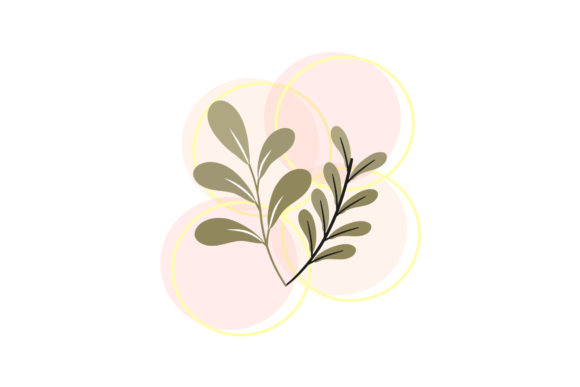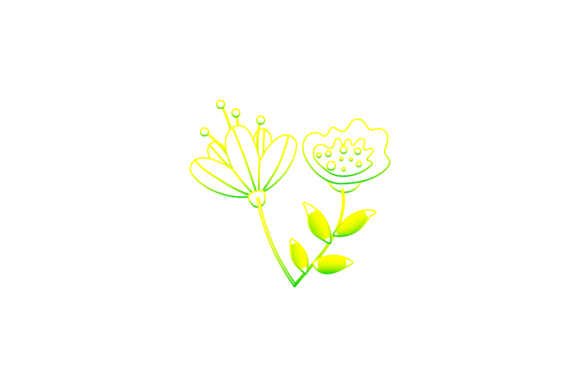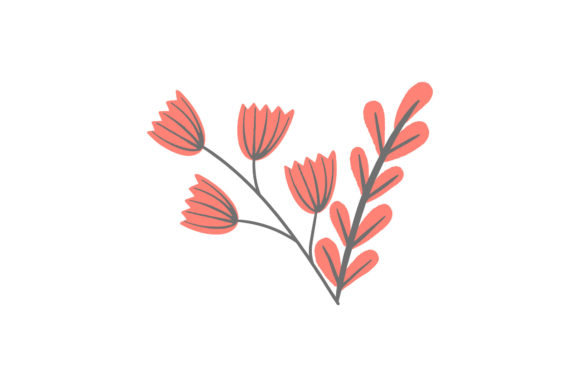
Floral Small Flowers Collection
A Designer’s First Look: Delicate, Versatile, and Quietly Confident
Opening the Floral Small Flowers Collection feels like unrolling a sketchbook page filled with hand-drawn botanicals—soft curves, gentle asymmetry, and just enough detail to feel intentional without tipping into fussy. It’s not bold or graphic; it’s intimate. Think of stitching this onto a linen tea towel for a friend’s baby shower, or scattering three tiny blooms across the chest of a lightweight cotton sweatshirt for a boutique’s spring collection. The mood is calm, artisanal, and quietly joyful—exactly what many craft businesses and Etsy sellers need to stand out in a sea of overdesigned logos and aggressive typography.
Where This Collection Earns Its Keep: Real Projects, Real Impact
I recently tested one motif from the Floral Small Flowers Collection on a custom embroidered tote bag—natural canvas, medium-weight, with light quilting. The result? A refined, handmade presence that elevated the entire piece. Customers paused to trace the petals with their fingers—not because it was flashy, but because it felt *considered*. That’s the quiet strength of this set: it doesn’t shout. It invites.
It shines brightest in projects where subtlety builds trust: baby embroidery (onesies, burp cloths), kitchen textiles (tea towels, aprons), nursery decor (pillow covers, wall hangings), and personalized gifts (monogrammed napkins, holiday ornaments). As a machine embroidery design, its scale and spacing translate cleanly across hoop sizes—no awkward cropping or forced scaling needed. On a sweatshirt embroidery job, I placed a single bloom near the sleeve cuff: delicate, balanced, and unmistakably human-made.
For Etsy sellers and small shop owners, this collection works well as a standalone digital embroidery file or as part of a curated bundle—say, paired with minimalist monograms or seasonal motifs. Because it’s categorized under Icons, it’s built for flexibility: use one flower as a focal point, scatter several as a border, or layer them lightly behind text for an embroidered patch or cap front.
Where to Proceed With Care: Texture, Scale, and Fabric Reality
This isn’t a “throw-it-on-anything” design—and that’s a good thing. Its charm lives in restraint, so it demands thoughtful placement. On stretchy fabric like jersey knits, I recommend testing stitch density first: too much fill stitch can cause puckering, especially in the tighter petal curves. For dark fabric, check thread color contrast early—some lighter tones in the floral outlines may recede unless paired with matte or tonal threads.
Curved surfaces (caps, curved pillow edges) require extra attention to hooping tension and stabilizer choice. I used tear-away + light cutaway for a baseball cap test and found the smaller flowers held shape beautifully—but the tiniest center details softened slightly. Not a flaw, just a reminder: this collection leans into softness, not sharp precision. That makes it ideal for handmade product warmth, less so for technical applique designs demanding crisp satin stitch edges.
Also note: while the 1920px × 1280px canvas size gives plenty of breathing room for digital mockups and printable mockups, always confirm actual stitch count and recommended hoop size before digitizing for commercial embroidery. The included AI, EPS, SVG, and DXF files are solid starting points—but they’re vector graphics, not pre-digitized embroidery files. You’ll need to convert them properly for your machine.
Design Notes Every Embroidery Designer Should Keep Handy
- Always test on scrap fabric first—especially with textured weaves like burlap or looped terry cloth, where fine lines can disappear.
- Review stitch density in your digitizing software. These flowers benefit from moderate fill stitch coverage—not sparse, not dense. Over-stitching flattens their organic rhythm.
- Inspect small details at 200% zoom. Tiny centers and slender stems should digitize cleanly, but may need manual cleanup depending on your software’s auto-trace settings.
- Try black-and-white mockups before finalizing thread colors. The Floral Small Flowers Collection relies on shape and flow more than contrast—so grayscale previews reveal whether balance holds up.
- Compare light and dark fabric backgrounds. What reads as airy on ivory linen may vanish on navy chambray without adjusted thread weight or outline stitches.
- Use proper stabilizer. Medium-weight cutaway works best for apparel; tear-away suffices for stable home décor fabrics.
- Confirm licensing before selling finished items or digital products. Since this is listed as Graphics, verify whether commercial use is permitted for both physical goods and resale of derivative digital assets.
Why It Builds Value—Beyond the Stitch
What makes the Floral Small Flowers Collection more than just another download? It supports intentionality. In a market flooded with oversized florals and trendy botanicals, this set offers breathing room—visually and emotionally. When stitched onto a personalized gift, it signals care, not convenience. On a small shop product, it reinforces brand consistency rooted in craftsmanship, not algorithmic trends.
Customers notice that difference. A customer once told me her embroidered kitchen towel “felt like something my grandmother would’ve chosen”—not because it was vintage, but because it carried quiet confidence. That’s the resonance this collection delivers: understated, cohesive, and deeply wearable.
For creative entrepreneurs building a craft business, it’s also a smart asset. Use it across multiple product categories—tote bags, baby onesies, holiday cards with stitched accents—without visual fatigue. And because it’s scalable and modular, it adapts to seasonal updates (add a tiny sprig of holly for December, swap in lavender for summer) without needing full redesigns.
Final Thought: A Design That Works With You
The Floral Small Flowers Collection won’t solve every embroidery challenge—but it solves the right ones. It meets the need for elegance without effort, versatility without compromise, and quiet distinction in a crowded handmade marketplace. Whether you're prepping for a craft fair, building your Etsy shop’s signature style, or designing custom apparel for a local café, this set earns its place in your design assets—not as filler, but as foundation.