Flower Coloring Page Graphics for Coloring Pages
A Delicate, Hand-Drawn Vibe That Anchors Warmth and Approachability
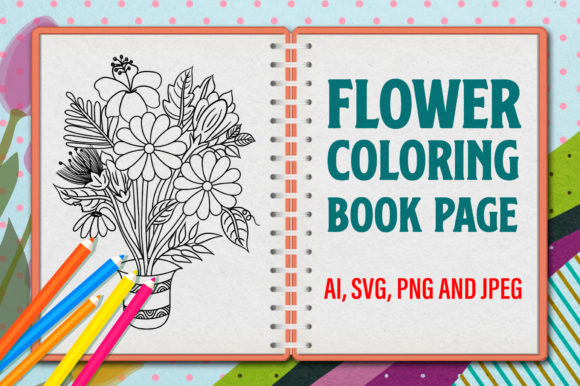
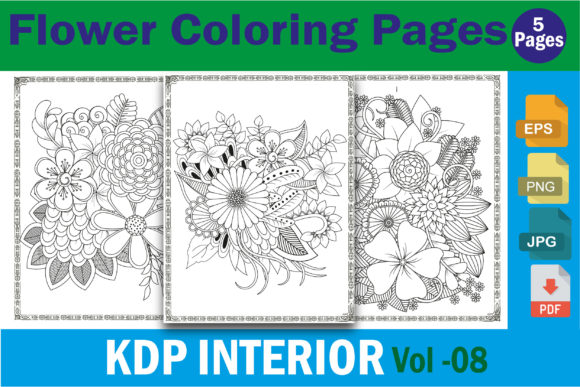
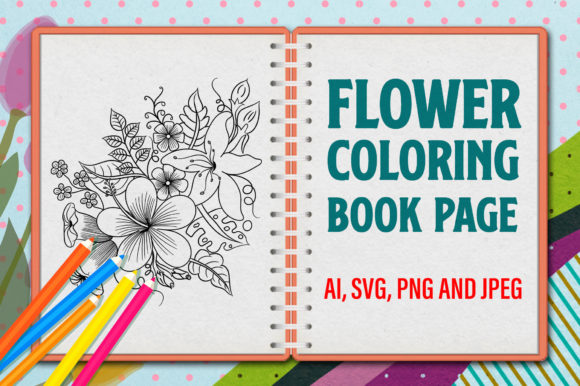
When I opened Flower Coloring Page. Coloring Book for a client project—a spring-themed product launch for a handmade botanical tea brand—I felt immediate visual alignment. This isn’t a stiff vector bloom or an over-rendered stock flower; it’s a gentle, confident pencil sketch with organic line weight, subtle cross-hatching, and intentional negative space. The mood is calm but intentional—evoking mindfulness without leaning into cliché adult coloring tropes. It reads as both nostalgic (think childhood garden journals) and contemporary (aligned with modern design trends favoring authenticity over perfection). For small business branding, especially in wellness, craft, or slow-living niches, this graphic design asset delivers emotional resonance before a single word is read.
Where It Shines in Real Client Work
In the tea brand project, we used Flower Coloring Page. Coloring Book across multiple touchpoints—not as a standalone logo, but as a unifying visual motif. On product labels, it framed ingredient callouts with soft hierarchy. As a background element behind hand-lettered copy on Instagram posts, it added texture without competing. In Canva templates for email headers and Pinterest pins, its black-and-white clarity ensured crisp rendering at any scale. For printable designs like recipe cards and seasonal gift tags, it scaled beautifully to 8.5×11” layouts—and held definition even when printed on textured kraft paper.
We also embedded it into Cricut projects: die-cut vinyl decals for reusable tea tins, sublimation designs for cotton tote bags, and layered SVG elements in a larger floral border for packaging design. Because the linework is clean and consistent—not overly dense—the asset translated flawlessly to cut files and embroidery mockups. As part of a broader design bundle, it paired naturally with serif fonts for elegance and rounded sans serifs for friendliness—never clashing, always supporting.
Smart Applications Across Commercial Design
- Product mockups: Works exceptionally well as a subtle watermark or corner accent on digital product mockups—especially for Etsy products and print-on-demand items where visual storytelling matters more than literal representation.
- Social media graphics: Serves as a versatile base layer for Instagram carousels or Reel thumbnails—its open line structure allows bold typography to sit cleanly atop it without obscuring detail.
- Editorial & blog visuals: Functions as a custom illustration alternative to generic clipart—ideal for lifestyle blogs, newsletter headers, or downloadable lead magnets tied to self-care or creativity themes.
- Sticker & merchandise design: Its balanced density makes it ideal for die-cut sticker sheets and enamel pin concepts—no risk of “muddy” fills or broken lines at small sizes.
- Themed collections: When grouped with complementary doodles (leaves, bees, stems), it forms a cohesive printable design system—valuable for digital sellers building themed design assets or Canva template libraries.
Use With Intention—Not Everywhere
This isn’t a universal Swiss Army knife. Flower Coloring Page. Coloring Book loses impact in minimalist corporate branding, low-contrast UI interfaces, or tight layouts where fine linework gets lost. Avoid placing it directly over complex photos or busy patterns—it needs breathing room. It also doesn’t substitute for a primary logo: its strength lies in supporting brand identity, not defining it. For professional service firms or tech startups, it risks feeling tonally misaligned unless carefully curated and abstracted.
Designer Notes You’ll Actually Use
Before dropping it into your next client file, do these five checks:
- Test in true black and white—some “black and white adult coloring” assets rely on gray tones that vanish on laser printers. This one holds up cleanly.
- Preview on both light and dark backgrounds. Its line contrast works on ivory cardstock and charcoal digital overlays—but verify transparency if using PNGs.
- Scale it down to 0.5” width—does the central bloom still read? Does stem detail stay legible? We found it remains recognizable down to 12pt in print.
- Drop it onto real product mockups—not just flat previews. We tested it on mug wraps and sticker sheets; the organic flow translated without distortion.
- Confirm commercial license scope—this is essential for Etsy product listings, POD storefronts, or client deliverables. Verify usage rights for sublimation, resale, and digital redistribution.
Final Verdict: A Thoughtful, Flexible Creative Asset
Flower Coloring Page. Coloring Book isn’t flashy—but that’s its professional advantage. In a landscape saturated with overdesigned clipart and AI-generated filler, this graphic design asset feels human-made, purpose-built, and quietly versatile. It supports creative marketplace sellers launching printable wall art, helps crafters elevate Cricut projects with intention, and gives small business branding a grounded, tactile warmth. Used with attention to context, contrast, and licensing, it becomes more than a coloring page doodle—it becomes part of a thoughtful visual language. For designers building real-world campaigns—not just mood boards—it earns its place in the working toolkit.